Fabric is where reupholstery jobs succeed or disappoint, and it is also where the numbers printed on sample tags confuse almost everyone. A fabric rated at a huge number of double rubs sounds indestructible, until it pills in a year. Another with a modest rating outlasts it. For households around Dallas shopping fabric for a real sofa, with real kids, dogs, and summer sun coming through the windows, the ratings are worth understanding in plain English.
This checklist works through what to look at, in order, with the pass and fail signs for each item. Bring it mentally to the sample books. The goal is not the toughest fabric in the store; it is the right fabric for the seat it has to cover.
First, what a double rub actually is
The standard durability test, called Wyzenbeek, rubs a piece of fabric back and forth with a standard abradant and counts the cycles, called double rubs, before the fabric shows wear. As a rough guide used across the trade, fabric around 15,000 double rubs is considered suitable for residential use, 30,000 and up suits heavy daily use, and very high counts are commercial territory. Those are general benchmarks, not guarantees for any single fabric.
Here is the part the tag leaves out: the test measures abrasion only. It says nothing about pilling, fading in sunlight, staining, or how the weave handles a dog's nails. A fabric can post a giant double-rub number and still fail a family room on every other count. That is why the rest of this checklist exists.
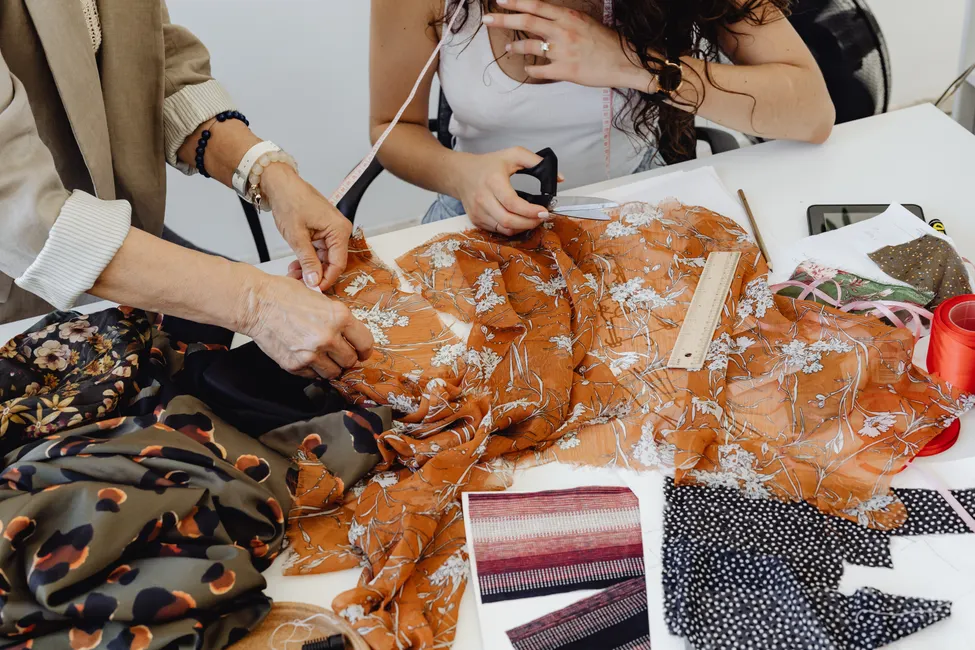
The fabric checklist, in order
Checking a fabric before you commit
- Double rubs fit the seat. Pass: 15,000 or more for a chair that sees weekly use, 30,000 or more for the main family sofa. Fail: a delicate low-count fabric earmarked for the seat everyone fights over.
- Weave is tight. Hold the sample to the light and scratch a thumbnail across it. Pass: threads stay put and the weave looks dense. Fail: threads shift, snag, or open up, which is exactly what pet nails and belt buckles will do to it.
- Fiber matches the mess. Synthetic fibers such as polyester generally resist stains and fading better; natural fibers breathe nicely but absorb spills faster. Pass: the fiber suits your household's actual spill pattern. Fail: choosing on softness alone for a seat that hosts juice boxes.
- Color hides your household. Mid-tone and patterned fabrics hide lint, pet hair, and small marks between cleanings. Pass: the sample looks fine with your dog's hair rubbed on it, so test exactly that. Fail: solid white for a house with a black lab.
- Sun behavior checked. Piedmont sun through south and west windows fades fabric unevenly. Pass: a fade-resistant fiber or a plan to rotate cushions. Fail: a deep, saturated color on the seat that takes direct afternoon sun, unless fading is acceptable.
- Cleanability is realistic. Check the cleaning code on the sample. Pass: a code your household will actually follow. Fail: a dry-clean-only fabric on the sofa where people eat in front of the TV.
- Pilling tendency asked about. Short, loose fibers pill faster. Pass: asking the shop directly how the fabric behaves after a year. Fail: assuming the double-rub number covers it, because it does not.
Pet and kid reality, stated plainly
Around Dallas, the fabrics that survive households with pets and kids share a pattern: tight weaves, synthetic or blended fibers, forgiving colors, and smooth surfaces that release hair with a vacuum pass. Loose weaves catch claws. Velvet-style piles show every mark and hold hair. Leather and quality faux options wipe clean but show scratches their own way.
None of this requires giving up on looks. It requires matching the fabric to the seat's actual job. The formal chair used twice a month can wear almost anything. The sofa that hosts homework, naps, and a shedding dog needs the checklist above, applied without wishful thinking. A shop like Ideal Upholstering Co sees the failures come back through the door, and the pattern is consistent: the fabric was chosen for the showroom, not the household.
Common questions
Is a higher double-rub count always better?
No. Past the heavy-residential range, extra abrasion resistance buys little at home, and the test ignores pilling, fading, and staining. Match the count to the seat, then check the other qualities.
What fabric handles dog nails best?
Tight, smooth weaves are the safest general answer, because there is nothing for a nail to catch and pull. Loose weaves and open textures are the ones that come back snagged.
Can I bring my own fabric to a shop?
Often, yes, but ask first. Shops will want to check that the fabric is upholstery grade and that you have enough yardage, and some will not warranty work done in a customer's own material.
Photos in this guide are representative stock images.
← All guides from Ideal Upholstering Co← Back to Ideal Upholstering Co