If a household in Dallas wants the most visible change for the smallest upholstery job, the answer is usually sitting around the dining table. Dining chair seats take constant abuse: daily meals, kids swinging on two legs, holiday dinners that run long, and fabric that catches every spill first. When the seats go flat, stained, or frayed, the whole room looks tired, even if the table itself is fine.
The good news is that a dining seat is the simplest upholstery unit there is: a board, foam, and fabric, in most designs. That makes it a genuine diagnostic exercise. Start from the symptom, find the cause, and the fix sorts itself into do-it-yourself territory or a quick professional job.
Start from the symptom
A flat, hard seat means the foam has compressed, which happens to every dining set eventually because the foam layer is thin to begin with. A stained or torn cover with a springy seat underneath means the foam is fine and only the fabric needs to go. A wobbly seat pad usually means screws have loosened where the pad meets the frame, which is a screwdriver problem, not an upholstery problem at all.
A cracked or flexing seat board is the one symptom that changes the job's scope. Boards split along the grain after years of stress, and new fabric over a broken board just hides a seat that will keep flexing. Flip the chair over, press on the board from below, and watch for movement or cracks before deciding anything else.
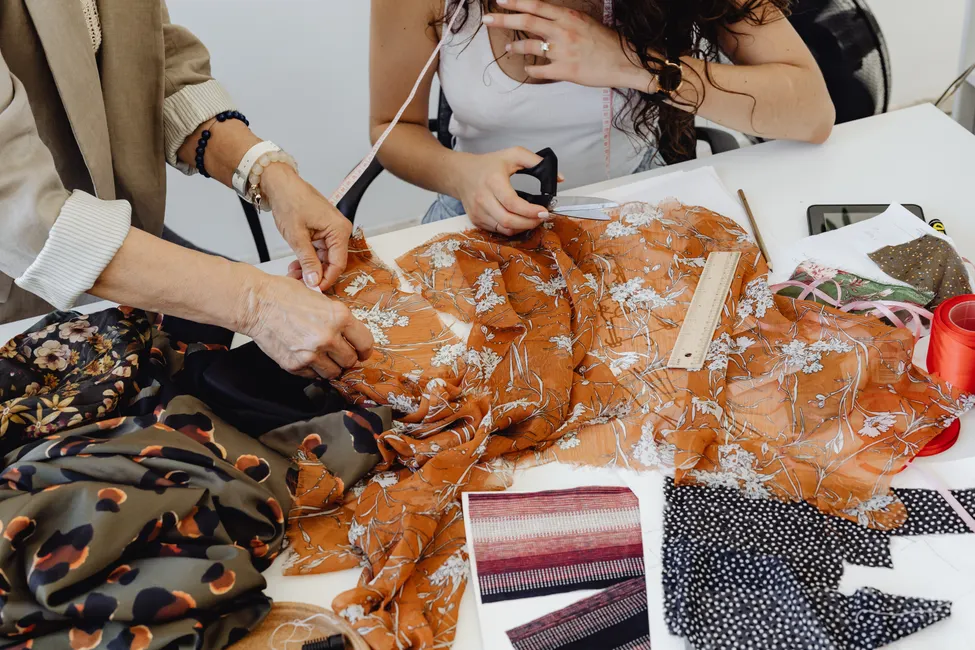
Working the problem, step by step
- Remove one seat first. Most dining seats unscrew from underneath with four screws. Take one off and use it as the pattern and the test case before touching the rest of the set.
- Strip and inspect the layers. Off comes the dust cover, then the fabric, then the foam. Note the order and thickness as you go. Photograph each layer if this is your first time; reassembly is just the film run backward.
- Judge the board and foam separately. A sound board with dead foam needs foam and fabric. A cracked board needs a new board cut to the old one's shape, which any shop can do quickly, or a lumber store can cut from your template.
- Measure fabric for the whole set at once. Dining seats are small, often taking well under a yard each depending on size and pattern. Buying for all chairs in one cut guarantees the set matches, including in dye lot.
- Decide the DIY line. A simple drop-in seat with a staple gun is a fair home project. Curved seats, welted edges, caned or upholstered backs, and matching patterns across six chairs are where a shop earns its keep.
- Match the set deliberately. If the chairs are not identical, antique sets often are not, measure each seat rather than assuming one size. A half inch difference is invisible on the chair and very visible in a too-tight cover.
Why matching a set is the real craft
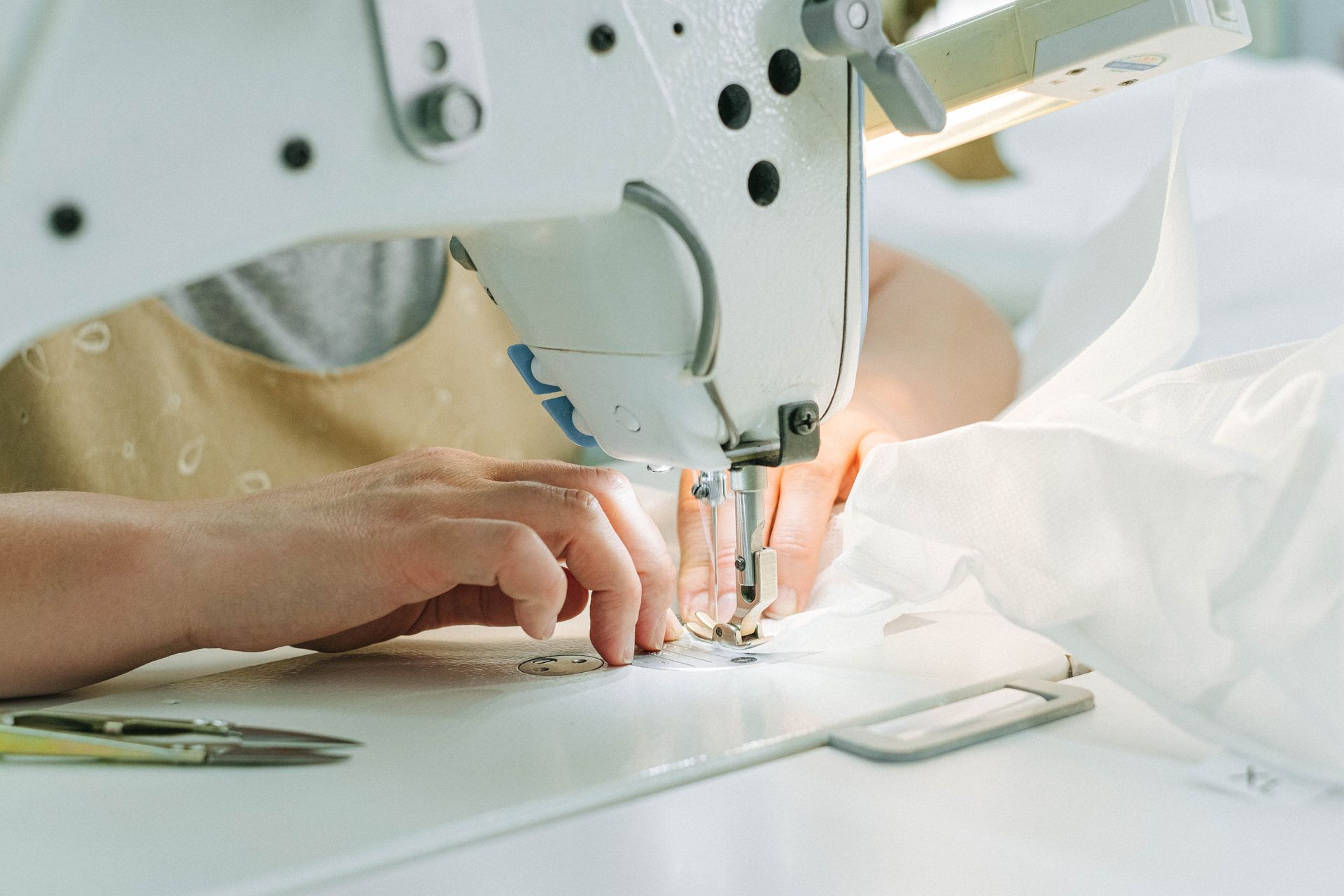
One dining seat is easy. Six that look like siblings are the job. Patterned fabric has to sit in the same place on every seat, stripes have to run the same direction, and tension has to match so one chair does not look stuffed and the next starved. This is the part first-timers underestimate, and it is why many people happily do two kitchen chairs at home and send a formal set of eight to a shop like Ideal Upholstering Co.
Yardage planning helps either way. Because dining seats use so little fabric per chair, choosing a better fabric than you would buy for a whole sofa is often realistic for a set, and the seats are where hands, spills, and eyes all land. In a Piedmont summer, when humidity makes everything feel heavier, a fresh firm seat also simply feels cleaner to sit on through a long meal. Small job, daily payoff; that is the whole argument.
Common questions
How much fabric does a dining chair seat take?
Most simple drop-in seats take well under a yard each, depending on seat size, fabric width, and whether the pattern needs matching. Measure your largest seat and add working margin before ordering.
Can I re-cover seats without replacing the foam?
Yes, if the foam still springs back and feels even. If you can feel the board through it when you sit, replace the foam too, since the cover has to come off anyway.
My chairs are antiques. Should I do them myself?
Simple seat pads, carefully, are usually fine and reversible. Anything involving the frame, cane, or original upholstery structure deserves a professional opinion first, because mistakes on antiques are hard to undo.
Photos in this guide are representative stock images.
← All guides from Ideal Upholstering Co← Back to Ideal Upholstering Co